
When Brussels Ignores Its Citizens: Why Protests Against Unelected EU Officials Are Justified
How unelected EU officials pushed mass surveillance despite overwhelming citizen opposition

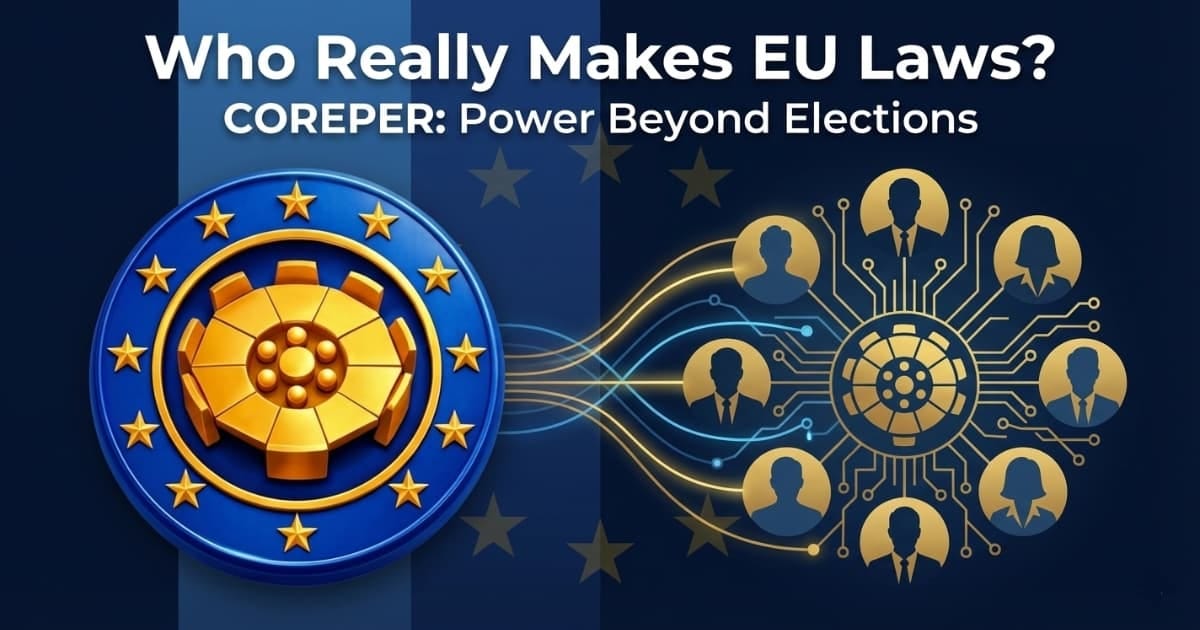
Every week, unelected diplomats in Brussels make decisions that shape 450 million Europeans’ lives. These permanent representatives, meeting in COREPER (the Committee of Permanent Representatives), negotiate EU legislation in private before ministers ever vote. Most Europeans have never heard of COREPER, yet decisions made there affect their jobs, privacy, and freedoms. This invisibility of power is precisely why protests against unelected EU elites have legitimate foundations.
The problem isn’t theoretical. In May 2022, the EU Commission proposed “Chat Control”: a regulation mandating mass surveillance of all private digital communications, including encrypted messages and photos, without suspicion or consent required. Every text, every photo, every file sent by EU citizens would be automatically scanned.
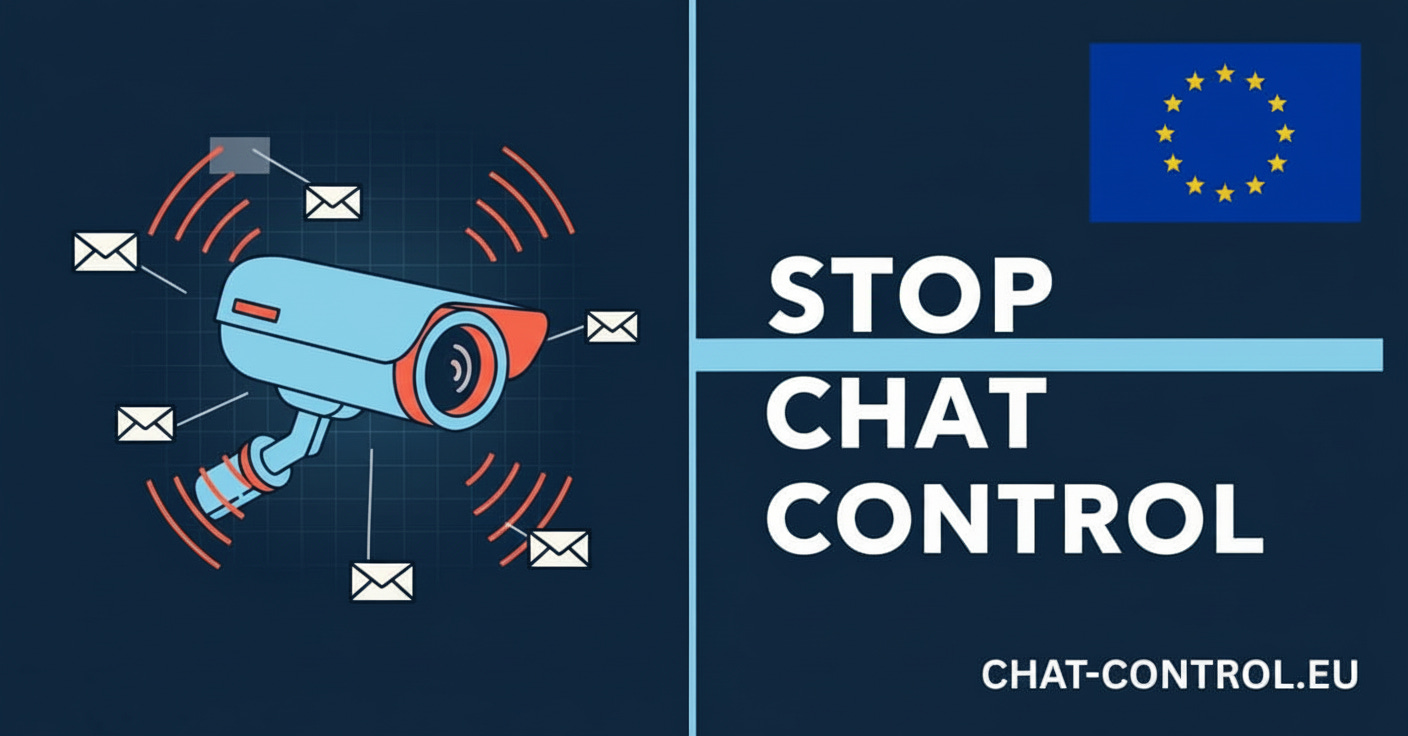
The response was overwhelming: a majority of Europeans opposed it. Over 500 scientists, 80+ civil society organizations, and the European Parliament (with rare cross-party agreement) all said no. Nine member states actively opposed the measure. Yet the EU Council (composed of unelected officials and technocrats) kept pushing the proposal through 2024 and 2025, negotiating behind closed doors despite clear public opposition.
What’s particularly revealing: EU politicians exempted themselves from this mass surveillance under “professional secrecy” rules. They demanded privacy for their own communications while imposing blanket monitoring on everyone else. This double standard perfectly captures why citizens feel unrepresented by Brussels elites: appointed officials making rules they don’t apply to themselves.
It wasn’t until October 2025, after sustained citizen mobilization and German government resistance, that the mandatory scanning requirement was finally dropped. Even then, the “compromise” allows Big Tech companies to “voluntarily” scan messages and mandates age verification that effectively ends online anonymity.
The EU institutions ignored citizen opposition for years, proving that when it matters most, appointed officials don’t feel truly accountable to the people.
A complete timeline of events concerning Chat Control can be found here.
Why This Exposes Democratic Failure
The EU claims it has democratic mechanisms: citizens vote for the European Parliament, which approves the Commission. National governments represent member states in the Council. But these systems are too distant and opaque to work.
When citizens can’t stop Chat Control despite overwhelming opposition, it exposes the democratic deficit. Most Europeans don’t even know COREPER exists or how decisions actually get made. Responsibility ricochets between institutions without landing on anyone directly answerable to voters.
The Legitimate Demand
Protests against unelected EU officials aren’t about abandoning supranational governance. They’re about demanding that elected institutions actually drive policy, not unelected committees preparing decisions in the background. Citizens deserve transparency about how COREPER operates, meaningful participation in major policy debates, and reassurance that their opposition to laws like Chat Control actually matters.
The Chat Control saga proves that it does, but only when enough people protest loudly enough. That shouldn’t be necessary. Democracy should be the default, not a hard-won victory against entrenched bureaucrats. Time to act.